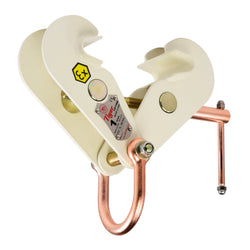
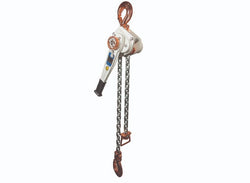
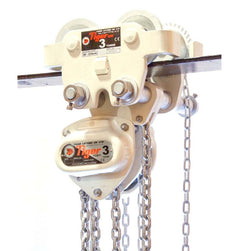
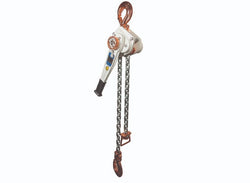
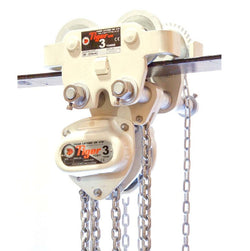
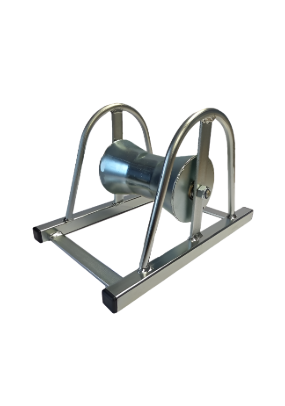
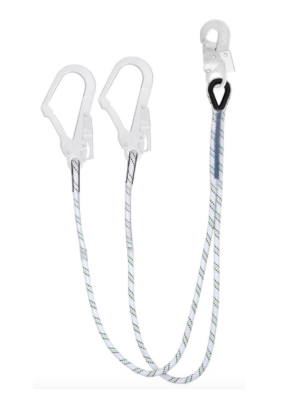
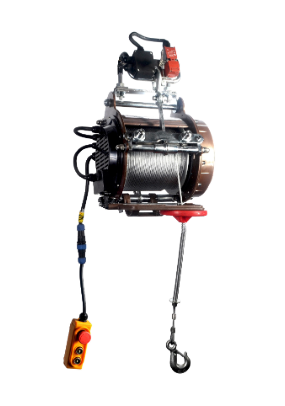
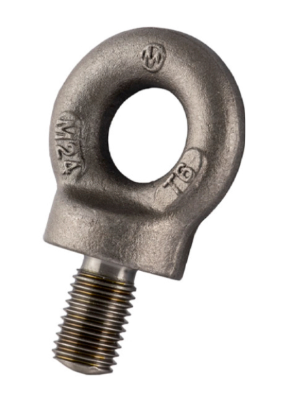
ATEX hoists are explosion-proof, spark-resistant lifting devices designed for hazardous atmospheres (Zones 1, 2, 21, and 22) where flammable gases or combustible dust are present. They use non-sparking metals (e.g., bronze-fitted hooks, stainless steel components) and sealed motors.
Common ATEX Hoist Brands & Models
- Yale: Yalelift 360 ATEX and CPA HD Air Hoists.
- Tiger: PROLH Spark Resistant Lever Hoist, SS19, and SS20 Chain Blocks.
- William Hackett: ATEX L4 Lever Hoists and C4 Chain Blocks.
- GIS: GP ATEX and GCH ATEX Electric Chain Hoists.
- JDN (J.D. Neuhaus): Pneumatic/Air Hoists known for heavy-duty explosive and marine environments.
If you need help selecting the right equipment, it helps to know
- What is the ATEX zone classification (e.g., Zone 1, Zone 21) of your facility?
- Do you require an electric, pneumatic (air), or manual hand chain hoist?
- What is the required maximum lifting capacity (e.g., (500kg) to 50 tonnes)?
Why ATEX Approval is Crucial
- Explosion Prevention: Non-sparking materials (like bronze or stainless steel) stop mechanical sparks.
- Thermal Control: Encapsulated motors and components prevent surface temperatures from reaching the ignition point of surrounding gases.
- Electrical Safety: Sealed, explosion-proof enclosures contain any internal electrical arcs or sparks.
- Legal Compliance: UK and European laws mandate ATEX-certified equipment in hazardous areas to avoid heavy fines and forced shutdowns.
- Life Safety: Protects operators and facility personnel from devastating industrial blasts and fires.
If you are assessing your current setup, it helps to know
- What specific flammable substances (e.g., hydrogen, methane, wood dust, flour) are present?
- Has your site undergone a formal DSEAR / ATEX zoning assessment to classify the risk area?
- Do you need assistance understanding the ATEX marking codes (e.g., Ex db IIB T4 Gb) on your current equipment? ( You can read further in this article )