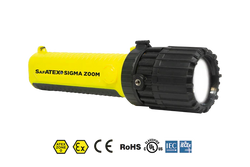
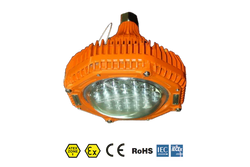
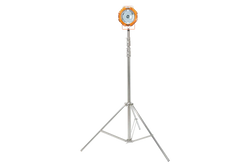
You need an ATEX approved torch because regular torches can generate electric sparks, high surface heat, or static electricity, any of which can instantly trigger an explosion in a hazardous environment.
Why Standard Torches Fail Safely
- Arcing Sparks: Standard switches and battery contacts create tiny electric arcs when turned on or off.
- Thermal Ignition: Standard bulbs or overdriven LEDs get hot enough to ignite volatile gases.
- Static Shock: Standard plastic torch bodies build up static friction charges that can discharge as sparks.
- Impact Risks: Dropping a standard torch can crack its casing, exposing live, hot electrical components to the air.
How ATEX Torches Protect You
- Intrinsically Safe Electronics: Internal circuitry limits electrical energy to levels completely incapable of producing a spark.
- Encapsulated Components: Switching mechanisms are hermetically sealed or magnetically controlled to keep gases out.
- Advanced Thermal Management: Advanced heat sinking prevents the outer lens and body from reaching ignition temperatures.
- Anti-Static Materials: Structural plastics are specially formulated to dissipate static electricity harmlessly.
- Fail-Safe Enclosures: Battery compartments feature physical locks and pressure relief valves to prevent gas buildup.
Legal and Workplace Compliance
Using non-certified equipment in designated hazardous areas violates strict workplace safety laws, including the UK DSEAR (Dangerous Substances and Explosive Atmospheres Regulations) and EU ATEX Directives. Employers are legally required to provide certified equipment, and using a standard torch can invalidate commercial insurance policies and result in heavy criminal penalties.