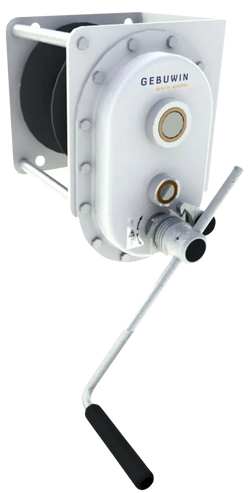
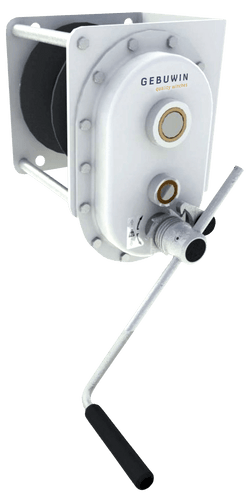
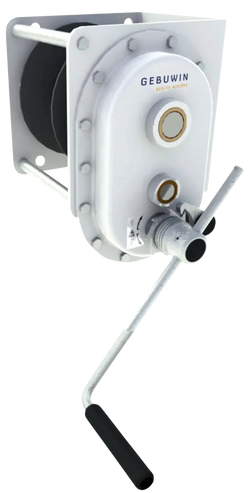
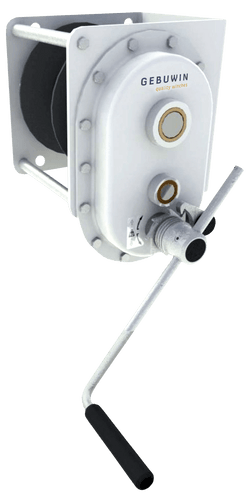
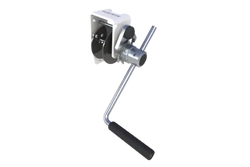
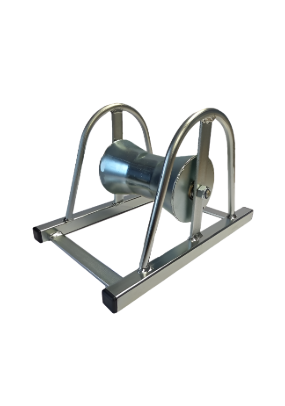
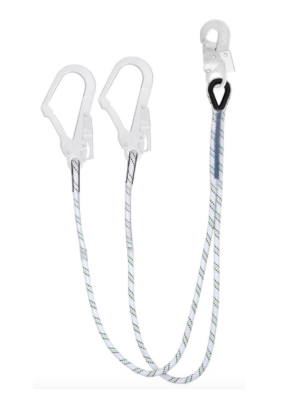
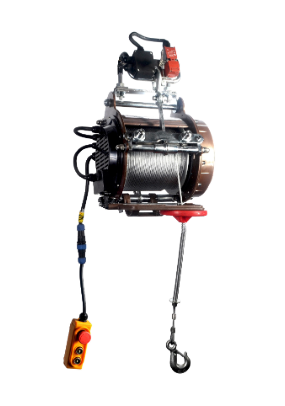
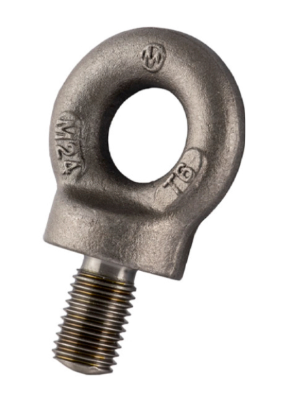
It is crucial to use equipment that complies with ATEX certification (ATmosphères EXplosibles), a European directive for the safety of equipment used in explosive atmospheres.
The ATEX (Atmosphères Explosibles) marking is a certification system that guarantees the safety of equipment used in environments where explosive atmospheres can form, such as in the oil, chemical or pharmaceutical industries.
This marking ensures that equipment is designed to prevent the risk of explosion. It includes key information on the category of equipment, the types of gas or dust it can withstand, as well as temperature and safety conditions.
Understanding this marking is essential for choosing the right equipment and complying with safety standards in these high-risk environments.
There are 6 ATEX zones in total.
The zones are split into two main categories:
Gas, Vapour, and Mist Zones
- Zone 0: Explosive atmosphere is present continuously or for long periods.
- Zone 1: Explosive atmosphere is likely to occur in normal operation.
- Zone 2: Explosive atmosphere is not likely to occur, or will last for a short time only.
Combustible Dust Zones
- Zone 20: Explosive dust cloud is present continuously or for long periods.
- Zone 21: Explosive dust cloud is likely to occur in normal operation.
- Zone 22: Explosive dust cloud is not likely to occur, or will last for a short time only.
For further information on ATEX in the UK visit https://www.hse.gov.uk/
For more information on Gebuwin Markings - read ATEX Coding explained